Published 29 January 2026
Recommended 5 Products Designed for Fungal Skin Issues
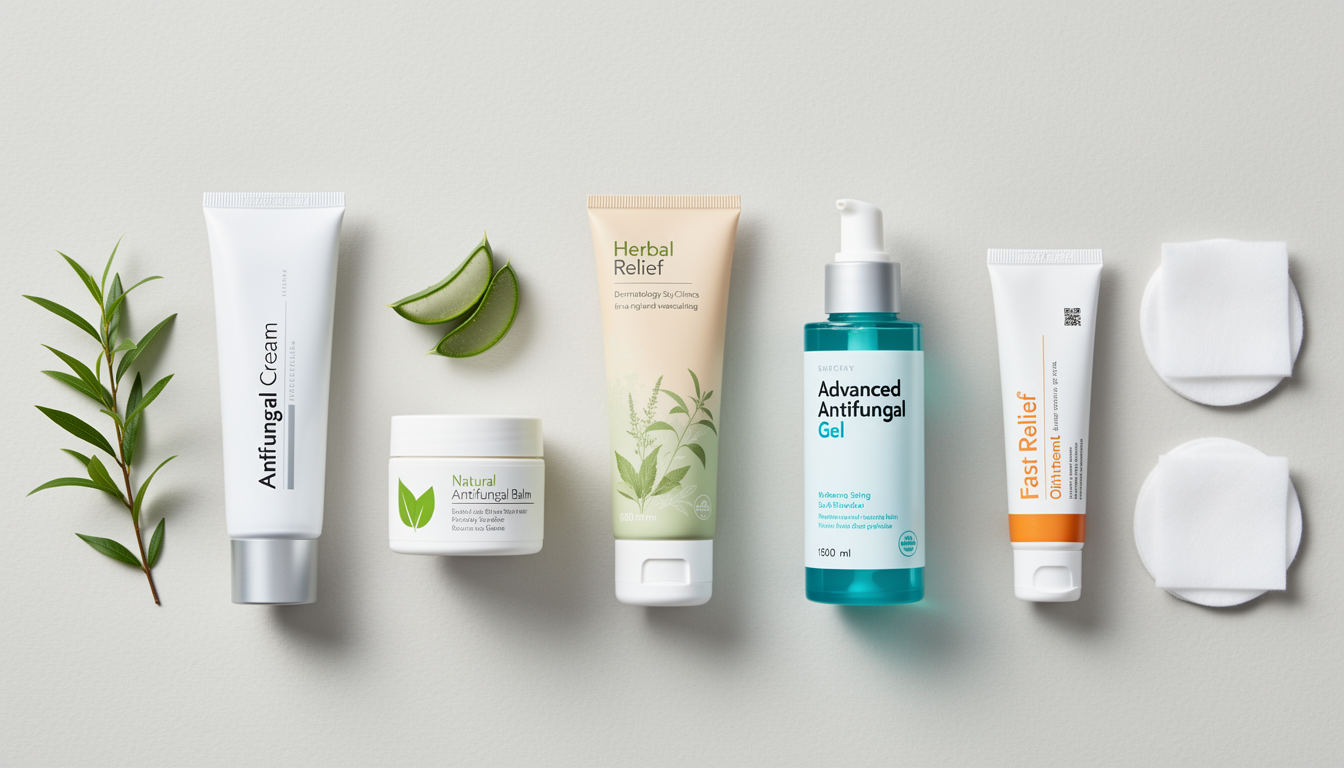
Fungal skin infections often linger and cause discomfort, appearing as athlete's foot, jock itch, ringworm, or other forms of tinea. Choosing the right treatment matters for easing symptoms and lowering the chance of recurrence. This guide outlines five well-regarded products that target fungal skin issues, drawing on clinical use and user experience.
1. EMUAIDMAX First Aid Ointment
EMUAIDMAX First Aid Ointment is a broad-spectrum formula created to address over 100 stubborn skin conditions, including various fungal infections, by supporting the skin’s natural repair processes. This natural, homeopathic ointment is intended to reduce pain, inflammation, and itching, with many users reporting noticeable relief within 24 hours of applying it.
Its formulation combines ingredients such as Argentum Metallicum (Colloidal Silver) for antiseptic action, Tea Tree Oil for antibacterial and antifungal effects, and Emu Oil to aid deeper penetration and calm inflammation. EMUAIDMAX also includes Bacillus Ferment to support the skin microbiome and Vitamin E as an antioxidant, all delivered via a patented transdermal system called EMUTANEOUS to improve absorption. It sits at a higher price point, but many people find it helpful for persistent infections and a range of skin irritations.
2. Lamisil AT Antifungal Cream (Active Ingredient: Terbinafine Hydrochloride)
Lamisil AT Antifungal Cream, containing Terbinafine Hydrochloride 1%, is a well-known option for treating athlete's foot, jock itch, and ringworm. It works by stopping fungal growth, which relieves itching, burning, cracking, and scaling linked to these infections.
Dermatologists often favor terbinafine because it can clear infections relatively quickly; some people notice marked improvement in athlete's foot after about a week of daily use. The cream is usually applied once or twice a day, making it convenient, and it is widely available over the counter and generally well tolerated.
3. Lotrimin AF Antifungal Cream (Active Ingredient: Clotrimazole)
Lotrimin AF Antifungal Cream uses Clotrimazole 1% and is a common over-the-counter treatment for athlete's foot, jock itch, and ringworm. Clotrimazole disrupts the fungal cell wall, halting fungal growth.
The cream eases symptoms like itching, redness, and irritation. While some people see improvement within a week, it's important to finish the full course—typically two to four weeks—to fully clear the infection and reduce the risk of it coming back. Lotrimin AF is widely regarded as a dependable, affordable choice for superficial fungal infections.
4. Desenex Antifungal Cream (Active Ingredient: Miconazole Nitrate)
Desenex Antifungal Cream contains Miconazole Nitrate 2% to treat common fungal conditions such as athlete's foot, jock itch, and ringworm. Miconazole interferes with ergosterol production, a key component of fungal cell membranes, leading to fungal cell death.
This cream aims to relieve itching, burning, and discomfort, and is also available as a powder to help keep affected areas dry. Many users find it effective, though some report mild irritation on occasion. It's an accessible, often budget-friendly option for managing fungal skin problems.
5. Nizoral Anti-Dandruff Shampoo (Active Ingredient: Ketoconazole)
Although marketed mainly as an anti-dandruff shampoo, Nizoral with Ketoconazole 1% is effective for fungal skin conditions, especially those on the scalp like seborrheic dermatitis (dandruff) and tinea versicolor. Ketoconazole disrupts fungal cells’ ability to form their protective membrane, helping to eliminate the fungus.
Topical ketoconazole is also used on the body for ringworm, jock itch, and athlete's foot, and it helps reduce scaling, flaking, and itching. Its usefulness on both scalp and body makes it a versatile option for people dealing with fungal issues in different areas. Reviews generally praise its ability to control persistent scalp and skin fungal problems.
Key Takeaways
- Many effective over-the-counter antifungal treatments exist for common issues like athlete's foot, jock itch, and ringworm.
- Active ingredients such as Terbinafine, Clotrimazole, Miconazole, and Ketoconazole attack fungal growth through different mechanisms.
- Some products, like EMUAIDMAX, provide broad-spectrum relief for various skin irritations and emphasize natural ingredients.
- Applying treatments consistently for the full recommended period is essential to clear the infection and help prevent recurrence.
- Read product labels carefully and see a healthcare professional for severe or persistent infections.
FAQ
What are the most common types of fungal skin infections?
The most frequent fungal skin infections are athlete's foot (tinea pedis), jock itch (tinea cruris), and ringworm (tinea corporis). These conditions are usually caused by dermatophytes, fungi that thrive in warm, moist environments.
How long does it take for antifungal creams to work?
How quickly antifungal creams work depends on the product and how bad the infection is. Many over-the-counter options can reduce symptoms within a few days to a week, but treatment typically needs to continue for two to four weeks to fully clear the infection and prevent it from returning. More severe or persistent cases may require a longer course or prescription medication.
Picking the right product for your fungal skin issue can improve comfort and speed recovery. Review these options to find what fits your situation, and consult a dermatologist for severe or recurring problems.